
Multi-unit treadmill service options are professional maintenance and repair programs designed to keep multiple treadmills in commercial gyms running reliably while minimizing costly downtime. For gym and fitness facility managers, choosing the right program is one of the most direct ways to protect equipment investment and member satisfaction. A 10-treadmill cardio floor can cost $4,000–$6,000 annually for bundled maintenance. Neglect that investment, and motor replacements plus revenue-killing downtime will cost far more. The right service model depends on your facility's usage intensity, budget structure, and tolerance for unplanned repairs.
1. What are the main multi-unit treadmill service options available?
Commercial treadmill maintenance programs fall into three main categories: scheduled preventive contracts, reactive pay-as-needed repairs, and hybrid models that combine both. Each fits a different operational profile.
Scheduled preventive maintenance contracts lock in regular technician visits at fixed intervals. Preventive maintenance frequency ranges from every 1–3 months for heavy-use gyms to every 3–6 months for moderate-use facilities. This model gives you predictable costs and catches problems before they become failures.
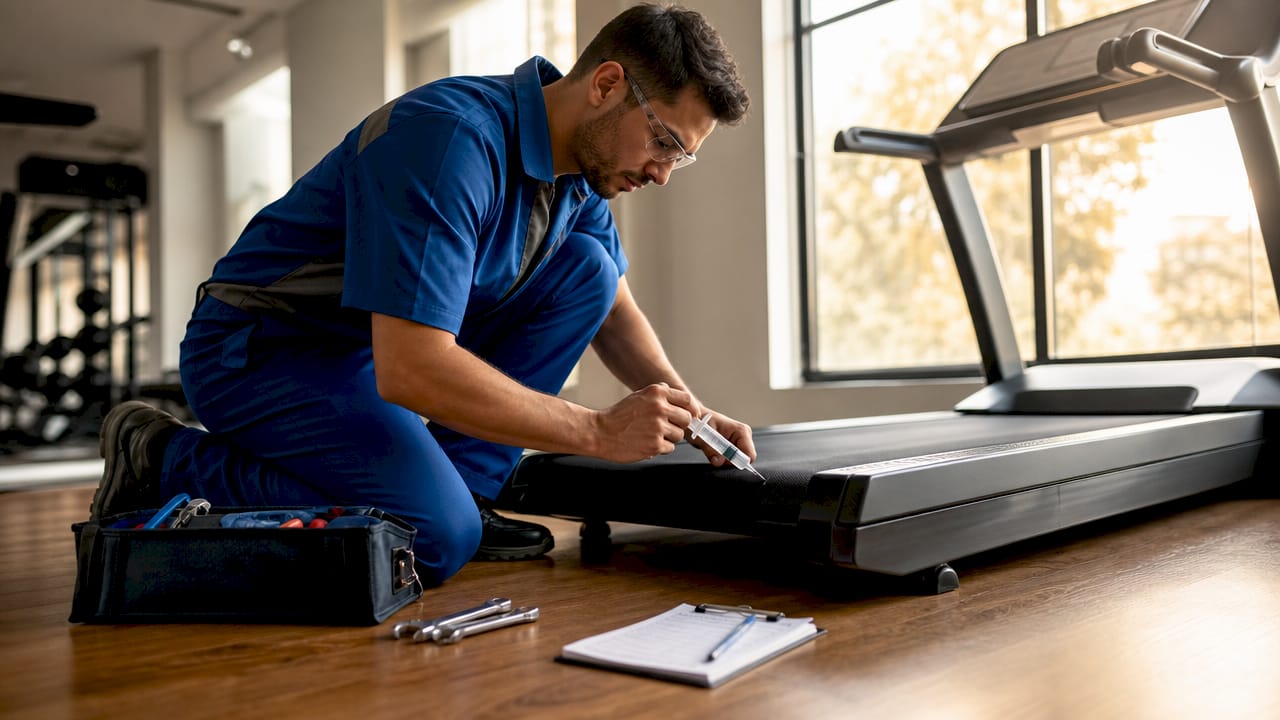
Reactive pay-as-needed repair services send a technician only when something breaks. This sounds cost-effective on paper. In practice, emergency call-out fees and parts markups make reactive repairs exponentially more expensive than bundled contracts over a full year.
Hybrid service models combine scheduled preventive visits with guaranteed emergency response windows. This is the most popular structure for mid-size and large fitness facilities because it covers both planned upkeep and unexpected failures without leaving you exposed.
- Scheduled preventive contracts: best for high-traffic gyms with 10 or more treadmills
- Reactive repair services: acceptable only for low-use facilities with newer equipment
- Hybrid models: best balance of cost control and emergency coverage for most commercial gyms
Pro Tip: Ask any service provider to specify the exact visit cadence in writing before signing. "Regular maintenance" without a defined schedule is not a contract term you can enforce.
2. Which preventive maintenance tasks must be in every service plan?
A credible multi-gym equipment service plan covers specific tasks at defined intervals. Vague language like "full inspection" is not enough. Demand line-item task lists.
- Monthly belt tension and alignment checks. A misaligned belt causes uneven wear, user safety risks, and accelerated deck damage. This check takes under 20 minutes per unit and prevents failures that cost hundreds of dollars to fix.
- Quarterly belt lubrication with 100% silicone. Quarterly lubrication using only manufacturer-approved 100% silicone lubricant keeps friction low and extends belt and deck life. Never accept a technician who uses WD-40 or generic spray lubricants on your treadmills.
- Monthly motor compartment vacuuming. Dust buildup inside the motor compartment is the leading cause of overheating and premature motor failure. Motor compartment vacuuming prevents the majority of premature motor replacements by eliminating dust-induced heat buildup.
- Professional inspections every 3–6 months. Depending on usage volume, a certified technician should perform a full mechanical and electrical inspection at least twice per year. High-traffic facilities need quarterly professional inspections.
- Console and safety key checks. Unresponsive consoles and worn safety keys are member-facing failures. They do not cause mechanical damage, but they pull machines out of service and generate complaints.
- Drive belt and roller inspection. The drive belt transfers motor power to the running belt. Worn rollers create vibration and noise. Both should be checked at every scheduled visit.
Pro Tip: Specify in your contract that incorrect lubricants like WD-40 are prohibited. A single misapplication can destroy a belt and deck, costing $300–$600 per unit to replace.
3. How do bundled contracts compare to pay-as-needed servicing?
The financial case for bundled treadmill service packages over reactive repair is clear. Bundled contracts shift costs from unpredictable emergency bills to fixed annual operating expenses. That predictability matters when you are managing a facility budget across multiple equipment categories.
| Feature | Bundled maintenance contract | Pay-as-needed reactive repair |
|---|---|---|
| Annual cost structure | Fixed, predictable OPEX | Variable, often higher total cost |
| Emergency response | Included with SLA guarantee | Billed at premium emergency rates |
| Parts pricing | Pre-negotiated or included | Retail or marked-up pricing |
| Downtime risk | Low, proactive prevention | High, reactive only |
| Budget planning | Easy, fixed annual figure | Difficult, unpredictable spikes |
A 10-unit cardio floor running on a bundled contract costs roughly $4,000–$6,000 per year. A single motor replacement runs several hundred dollars per unit. Add emergency call fees and member-facing downtime losses, and one bad month of reactive repairs can exceed a full year's contract cost.
"Facilities require service contracts with clear SLAs; typical emergency response times are 2–4 hours to minimize downtime and member churn."
Service level agreements with penalty clauses are the mechanism that makes SLA commitments real. Without penalty clauses, a 2-hour response guarantee is just a marketing promise. Negotiate penalty terms before signing any contract.
4. What factors shape the right service plan for your facility?
Not every gym needs the same service structure. The right bulk treadmill repair and maintenance program depends on how your facility actually operates.
- Usage intensity. Light-commercial units placed in heavy-traffic environments generate unsustainable repair frequency. Match equipment durability ratings to your actual traffic volume before choosing a service cadence.
- Manufacturer-authorized technicians. High-end commercial treadmills from brands like Life Fitness, Precor, and Technogym require OEM parts and authorized technicians to maintain manufacturer warranties. Using uncertified technicians or aftermarket parts voids warranty coverage and risks further damage.
- Seasonal and climate factors. South Texas facilities face heat and humidity that accelerate belt wear and motor stress. Service frequency should increase during summer months when HVAC systems work harder and equipment runs hotter.
- Off-peak scheduling. Scheduling maintenance during off-peak hours reduces member disruption and keeps your floor operational during peak revenue hours. Morning visits before 6 a.m. or late-night windows work well for most commercial gyms.
- Service documentation. Detailed service logs per unit with technician signatures are required for insurance compliance in many regions. They also give you a paper trail to enforce warranty claims and identify recurring problem units.
5. What are the best practices for managing a multi-unit maintenance program?
Running a treadmill maintenance program across 10 or more machines requires more than a signed contract. Operational discipline at the facility level determines whether your program actually delivers uptime.
- Maintain a service log for each individual unit. Record every visit, every part replaced, and every technician signature. This documentation supports insurance audits and warranty claims.
- Coordinate preventive visits with your facility's usage schedule. A technician arriving during peak hours creates friction with members and staff. Build visit windows into your contract terms.
- Negotiate SLAs with penalty clauses for emergency response. A contract with penalty clauses for missed response windows gives you real leverage when a provider fails to show up within the agreed timeframe.
- Train in-house staff to perform daily visual checks. Staff should look for belt slippage, unusual noise, console errors, and safety key wear every morning before the facility opens. Early detection prevents small issues from becoming service calls.
- Budget through fixed annual contracts. Reactive repairs without contracts incur emergency call-out fees and inflated parts prices. A fixed annual contract converts fitness equipment upkeep from a surprise expense into a line item you can plan around.
Customized service contracts with usage tracking and flexible schedules best address the diverse environments found across different gym types. A boutique studio with four treadmills needs a different structure than a 24-hour facility running 20 machines at all hours.
Key takeaways
The most effective multi-unit treadmill service strategy combines bundled preventive contracts with clear SLA terms, usage-matched service frequency, and detailed per-unit documentation to control costs and maximize uptime.
| Point | Details |
|---|---|
| Match service frequency to usage | Heavy-use gyms need service every 1–3 months; moderate-use facilities every 3–6 months. |
| Choose bundled over reactive | Fixed annual contracts cost less than reactive repairs and eliminate emergency fee surprises. |
| Demand SLA penalty clauses | Emergency response guarantees without penalty terms are unenforceable and unreliable. |
| Use only 100% silicone lubricant | Wrong lubricants destroy belts and decks; specify approved lubricants in every contract. |
| Document every service visit | Per-unit logs with technician signatures support insurance compliance and warranty claims. |
Why I stopped trusting generic service contracts after year one
The first multi-unit contract I reviewed for a mid-size gym looked solid on paper. It promised quarterly visits, full inspections, and 24-hour emergency response. What it did not specify was which tasks were included in each visit, what parts were covered, or what "24-hour response" actually meant on a Sunday night.
Three months in, two treadmills were down simultaneously. The provider showed up 36 hours later, billed for parts not covered under the contract, and used a lubricant I later confirmed was not manufacturer-approved. The gym manager had no recourse because the contract language was too vague to enforce.
The shift I have seen work consistently is moving toward customized service contracts that specify every task, every part category, and every response window with a dollar penalty attached. Facilities that track usage hours per machine and tie service triggers to actual run time rather than calendar dates get far better outcomes. A treadmill that logs 400 hours a month needs service on a different schedule than one logging 80 hours.
The other pattern I keep seeing is managers underestimating how much climate affects service needs. South Texas heat is not the same operating environment as a climate-controlled facility in a northern state. Facilities in hot, humid regions should build summer-specific service clauses into every contract. The recurring treadmill problems that frustrate managers most are almost always the ones that a climate-aware service schedule would have caught first.
— Steve
Texastreadmillrepair: professional service for multi-unit treadmill fleets
Gym managers in South Texas managing multiple treadmills need a service partner who shows up fast, works with certified technicians, and prices jobs without surprises. Texastreadmillrepair offers same-week appointments, flat-rate pricing, and a 90-day warranty on all parts and labor.

Texastreadmillrepair technicians come directly to your facility, handle everything from belt lubrication and motor compartment cleaning to console repairs and drive belt replacements, and use OEM-compatible parts on every job. Whether you need a one-time repair or a structured treadmill maintenance plan for your full cardio floor, Texastreadmillrepair builds the service structure around your facility's actual usage and schedule. Contact Texastreadmillrepair to get a customized quote for your multi-unit treadmill fleet.
FAQ
What is a multi-unit treadmill service contract?
A multi-unit treadmill service contract is a maintenance agreement covering scheduled preventive visits, repairs, and emergency response for multiple treadmills in a commercial facility. It converts unpredictable repair costs into a fixed annual expense.
How often should commercial treadmills be serviced?
Commercial treadmills in heavy-use gyms need service every 1–3 months. Moderate-use facilities can extend that interval to every 3–6 months.
Are bundled maintenance contracts worth the cost?
Yes. A bundled contract for a 10-treadmill floor costs $4,000–$6,000 annually. A single motor replacement plus emergency fees and downtime losses can exceed that figure in one incident.
What lubricant should be used on commercial treadmill belts?
Only 100% silicone lubricant approved by the treadmill manufacturer should be used. Products like WD-40 degrade belts and decks quickly and void most manufacturer warranties.
What should an SLA in a treadmill service contract include?
A service level agreement should specify emergency response times, typically 2–4 hours, along with penalty clauses for missed windows, covered parts categories, and the exact tasks performed at each scheduled visit.