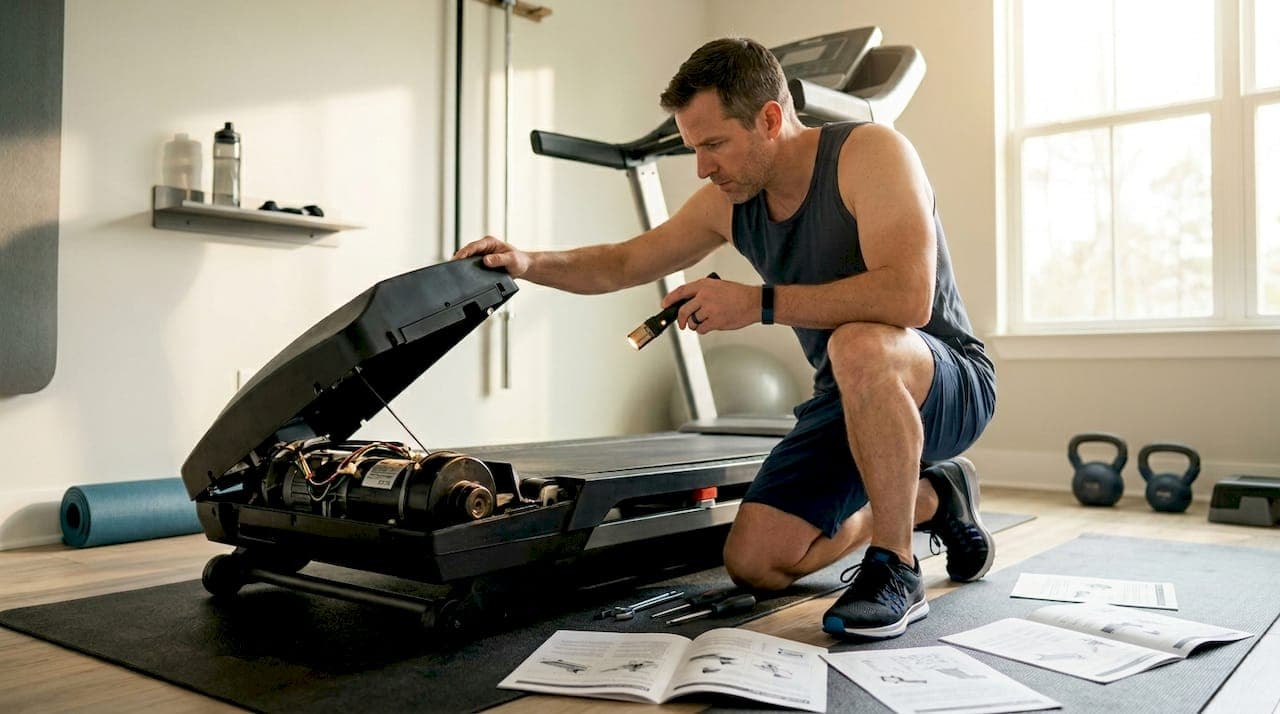
Most treadmill users assume that if the machine turns on and the belt moves, everything is fine. That assumption is exactly where treadmill hidden damage explained starts to matter. The real threats to your treadmill's performance, safety, and lifespan are rarely the ones you can see. They build quietly beneath the surface, in the motor compartment, along the belt deck, and inside the electrical components, until one day your machine either breaks mid-run or needs a repair bill that makes you wince. This article breaks down what those hidden issues are, how to spot them early, and what you can do to stop them before they become expensive.
Table of Contents
- Key takeaways
- Common hidden treadmill damages and what causes them
- Warning signs that point to hidden treadmill damage
- How design and user habits create hidden damage
- Maintenance practices that prevent hidden damage
- What I've learned after years of treadmill repair work
- Get your treadmill inspected before damage gets worse
- FAQ
Key takeaways
| Point | Details |
|---|---|
| Hidden damage is common | Most treadmill damage develops internally before any visible or audible sign appears. |
| Lubrication is the first defense | Lubricating the belt and deck every 4 to 6 weeks prevents friction damage that strains the motor silently. |
| User habits accelerate wear | An uneven running gait or improper placement can cause structural damage faster than heavy use alone. |
| Early warning signs exist | Burning smells, belt drift, and unexpected shutdowns are signals of damage already in progress. |
| Professional inspection pays off | A certified technician can catch internal damage before it escalates into a full motor or board replacement. |
Common hidden treadmill damages and what causes them
Understanding treadmill hidden damage explained properly means looking past the surface. The most destructive problems inside a treadmill are ones you cannot see during a casual inspection.
Here are the most common hidden damage types and their root causes:
-
Belt and deck wear from insufficient lubrication. When the belt runs dry, friction builds between the belt and the deck surface. That friction does not just wear the belt. It forces the motor to work harder than it should, generating heat and shortening its lifespan. Lubricating every 4 to 6 weeks for moderate usage prevents this cycle from starting.
-
Dust accumulation in the motor compartment. Dust is one of the most underestimated enemies of any treadmill. Treadmill motors clogged with dust emit strange noises and trap heat, which accelerates overheating and internal damage. Homes with carpet, pets, or poor ventilation are especially vulnerable.
-
Electrical component degradation. Circuit boards, speed controllers, and wiring connections degrade over time, especially in humid or dusty environments. Corrosion on connection points or heat damage from a poorly ventilated motor compartment can cause intermittent faults that are nearly impossible to diagnose without proper tools.
-
Mechanical misalignment. The belt runs on two rollers, and when those rollers fall even slightly out of alignment, the belt begins to track unevenly. Misalignment and lack of lubrication often work together to cause edge damage that goes unnoticed until the belt frays or snaps.
-
Environmental stress. Humidity warps decks, heat softens adhesives in belt seams, and cold temperatures stiffen belts and make them brittle. Placing a treadmill in a garage, near an air conditioning vent, or in a room with poor climate control quietly accelerates all of the above.
Pro Tip: Lift the motor cover every two months and use a dry cloth or compressed air to remove dust buildup. This one habit alone can add years to your motor's life.
Warning signs that point to hidden treadmill damage
Recognizing the signs of hidden treadmill issues early is the difference between a minor fix and a full component replacement. These symptoms are easy to dismiss, but each one is your machine communicating that something is wrong internally.
-
Increased or unusual noise. A healthy treadmill runs quietly. If you hear grinding, squealing, or a rhythmic thumping, those sounds point to belt friction, a worn roller bearing, or a motor struggling under load.
-
Belt slipping, drifting, or jerking. A belt that slides under your feet during acceleration or drifts to one side is not just annoying. It signals tension problems, roller misalignment, or a deck surface worn smooth from friction.
-
Burning smell or hot deck surface. Burning smells and a hot belt should be treated as stop conditions immediately. Continuing to run the machine after these signs appear causes severe motor or circuit board damage.
-
Automatic shutdowns or erratic speed changes. If your treadmill cuts off mid-run or surges unexpectedly, the motor control board or speed sensor is likely failing. These are not software glitches. They are symptoms of electrical damage building over time.
-
Belt edges curling or showing uneven wear. Run your hand along the underside of the belt near the edges. Curling, cracking, or uneven texture indicates the belt has been running misaligned or without adequate lubrication for an extended period.
A critical data point worth knowing: neglecting lubrication and cleaning leads to internal friction that triggers E1 error codes and safety cutouts, which are electronic signals that your treadmill has already reached a damage threshold. By the time those codes appear, the wear has been accumulating for weeks or months.
How design and user habits create hidden damage
This is where treadmill overuse damage explained gets more nuanced. The machine itself and the way you use it both contribute to how quickly hidden damage develops.
The role of roller size and deck quality
Treadmill engineering matters more than most users realize. Larger rollers at 2.25 inches or more reduce belt friction and motor stress because the belt wraps around a wider surface, reducing the bend angle on each rotation. Budget machines often use smaller rollers, which means the belt flexes more sharply with every pass, wearing both the belt and the motor faster.
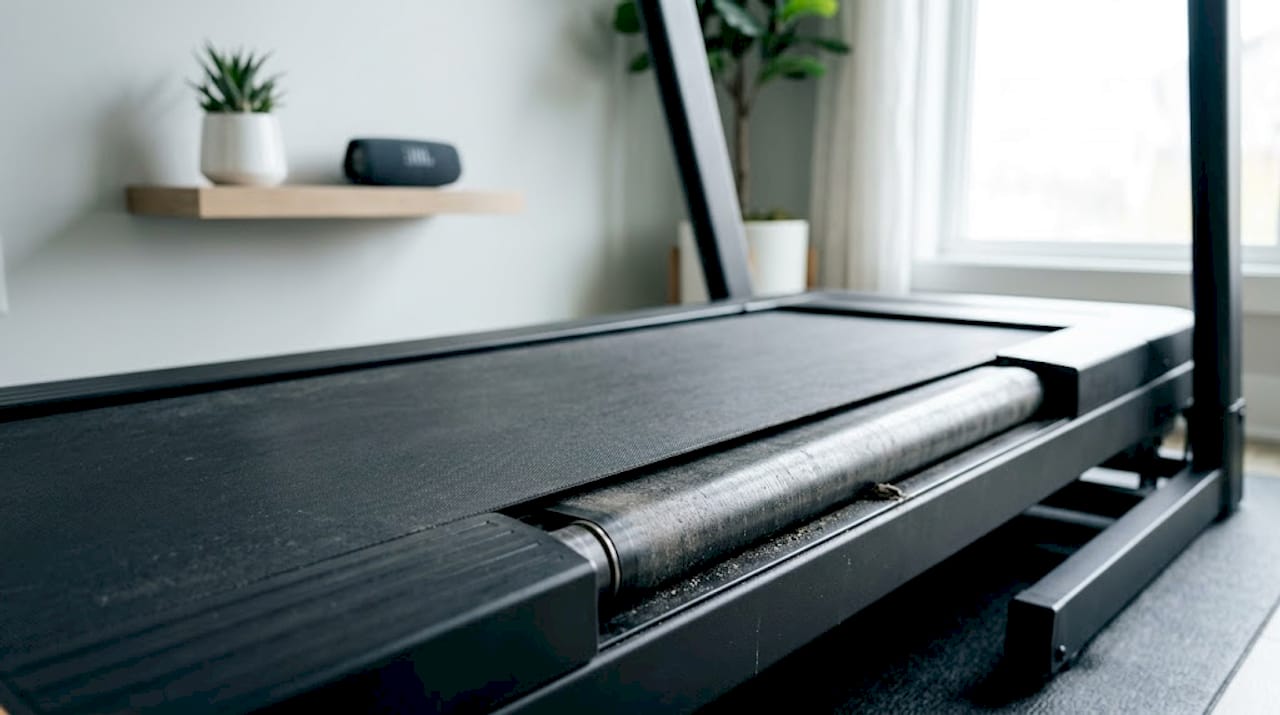
Deck cushioning is equally important. Premium treadmills integrate multiple shock absorbers in the deck to protect joints and extend machine life, while cheaper designs degrade unevenly, creating dead spots that concentrate impact stress on specific belt zones.
How your running style affects the machine
The way you run matters as much as how often you run. Here is a direct comparison of running habits and their mechanical impact:
| Running habit | Effect on treadmill |
|---|---|
| Flat-footed heavy stride | Increases deck impact, accelerates cushioning wear |
| Uneven gait or lateral lean | Pushes belt to one side, causes edge fraying and roller stress |
| Running at the very front or back | Creates uneven belt wear patterns that shorten belt life |
| Consistent moderate stride | Distributes load evenly, reduces hidden mechanical stress |
Treadmill belts pushed to one side by an uneven running style cause edge damage that most users never notice until the belt tears. Adjusting your running position to the center of the belt is a simple habit that protects the machine significantly.
Placement and environment
Placing your treadmill on carpet restricts airflow under the motor cover and allows carpet fibers to be pulled into the motor compartment. Outdoor or garage placement exposes the machine to temperature swings and humidity that degrade electronics and warp the deck. A hard, flat, climate-controlled surface is always the right choice.
Pro Tip: Use a treadmill mat under your machine. It blocks carpet fiber intake, reduces vibration noise, and protects your floor. It is one of the cheapest ways to prevent hidden motor damage.
Maintenance practices that prevent hidden damage
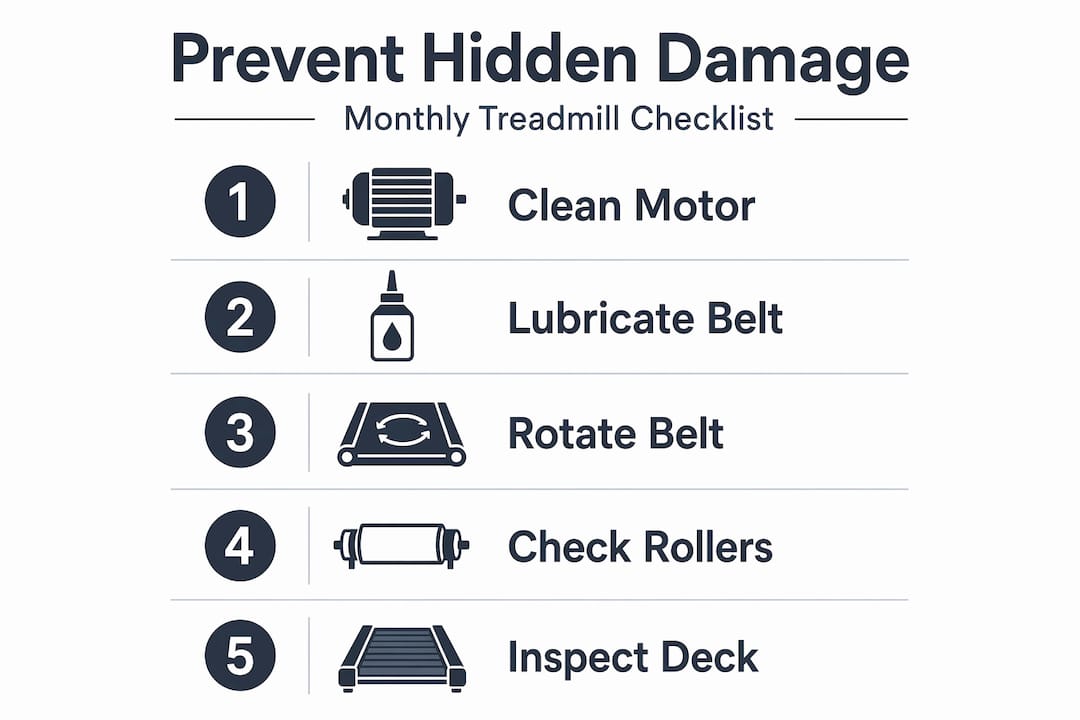
Preventing treadmill wear is not complicated, but it does require consistency. Here is a practical routine that addresses the most common sources of hidden damage:
-
Lubricate the belt and deck every 4 to 6 weeks. Use a silicone-based lubricant specifically designed for treadmills. Apply it under the belt along the center of the deck. Even if your treadmill seems fine, regular lubrication prevents friction from accumulating unnoticed.
-
Clean the motor compartment every 2 to 3 months. Remove the motor cover and use compressed air or a dry cloth to clear dust. Pay attention to the area around the motor fan, since that is where heat-trapping buildup concentrates first.
-
Check belt alignment and tension monthly. Stand behind the treadmill and watch the belt run at a slow speed. It should track straight down the center. If it drifts, adjust the rear roller bolts in small increments. Check tension by lifting the belt at the center. It should lift about two to three inches without excessive resistance.
-
Schedule a professional inspection once a year. A certified technician can check roller bearings, test the motor control board, measure belt wear, and identify electrical degradation that no visual check will catch. The cost of one inspection is a fraction of a motor replacement.
-
Respect usage limits and cool-down periods. Running a treadmill at maximum speed for extended periods without rest generates heat that the motor cannot always dissipate fast enough. Allow the machine to cool between long sessions, and avoid storing it in the off position immediately after a hard workout.
Pro Tip: Do the manual belt rotation test every month. With the machine off and unplugged, try to rotate the belt by hand. If it feels stiff or rough, friction has already built up and lubrication is overdue.
What I've learned after years of treadmill repair work
I've seen the same story repeat itself more times than I can count. A treadmill owner calls because the machine stopped working. When I open it up, the motor is caked in dust, the belt is bone dry, and the deck has deep grooves worn into it. The owner is shocked. The machine seemed fine last week.
That is exactly how hidden treadmill damage works. It does not announce itself until the damage is already severe. What I've found is that the people who avoid major repairs are not the ones with the most expensive machines. They are the ones who do small things consistently: lubricate on schedule, keep the motor compartment clean, and pay attention when the machine starts sounding different.
The detail most people miss is belt tension. Over-tight belts increase friction and cause premature wear just as much as a loose belt does. I've replaced belts on machines that were barely two years old because the owner had tightened them too aggressively, thinking that was the right fix for slipping. It is not. Proper tension is a specific measurement, not a guess.
My honest advice: treat your treadmill like a car. You would not drive a car for two years without an oil change and expect it to run perfectly. The same logic applies here. Small, regular maintenance prevents the kind of hidden structural damage that turns a $150 repair into a $600 one.
— Myles
Get your treadmill inspected before damage gets worse
If anything in this article sounds familiar, your treadmill may already have hidden damage in progress. Texastreadmillrepair specializes in exactly these kinds of problems: slipping belts, overheating motors, erratic shutdowns, and the internal wear that most owners never see coming.

Certified technicians from Texastreadmillrepair come directly to your home or gym with same-week appointments, flat-rate pricing, and a 90-day warranty on all parts and labor. Whether you are in McAllen, Corpus Christi, or anywhere across South Texas, you can get a professional diagnosis without hauling your machine anywhere. Check out the full range of treadmill repair services available, or find your local team for treadmill repair in McAllen and surrounding areas. Do not wait for a full breakdown to act.
FAQ
What is treadmill hidden damage?
Treadmill hidden damage refers to internal wear or degradation that occurs inside the machine without obvious visible signs. It typically affects the motor, belt, deck, rollers, and electrical components before any external symptom appears.
How often should I lubricate my treadmill belt?
You should lubricate the belt and deck every 4 to 6 weeks under moderate use. Heavier usage or noticeable friction and noise means lubrication is needed sooner.
What are the early signs of hidden treadmill damage?
Early signs include unusual sounds during operation, belt drifting to one side, unexpected shutdowns, a burning smell, or a deck that feels warm to the touch after use.
Can dust really damage a treadmill motor?
Yes. Dust accumulation inside the motor compartment traps heat and increases internal temperatures, which leads to motor overheating and eventual failure if not cleaned regularly.
Is it worth getting a professional treadmill inspection?
A professional inspection once a year can catch roller bearing wear, electrical degradation, and belt tension issues before they become costly repairs. The inspection cost is consistently lower than a motor or circuit board replacement.