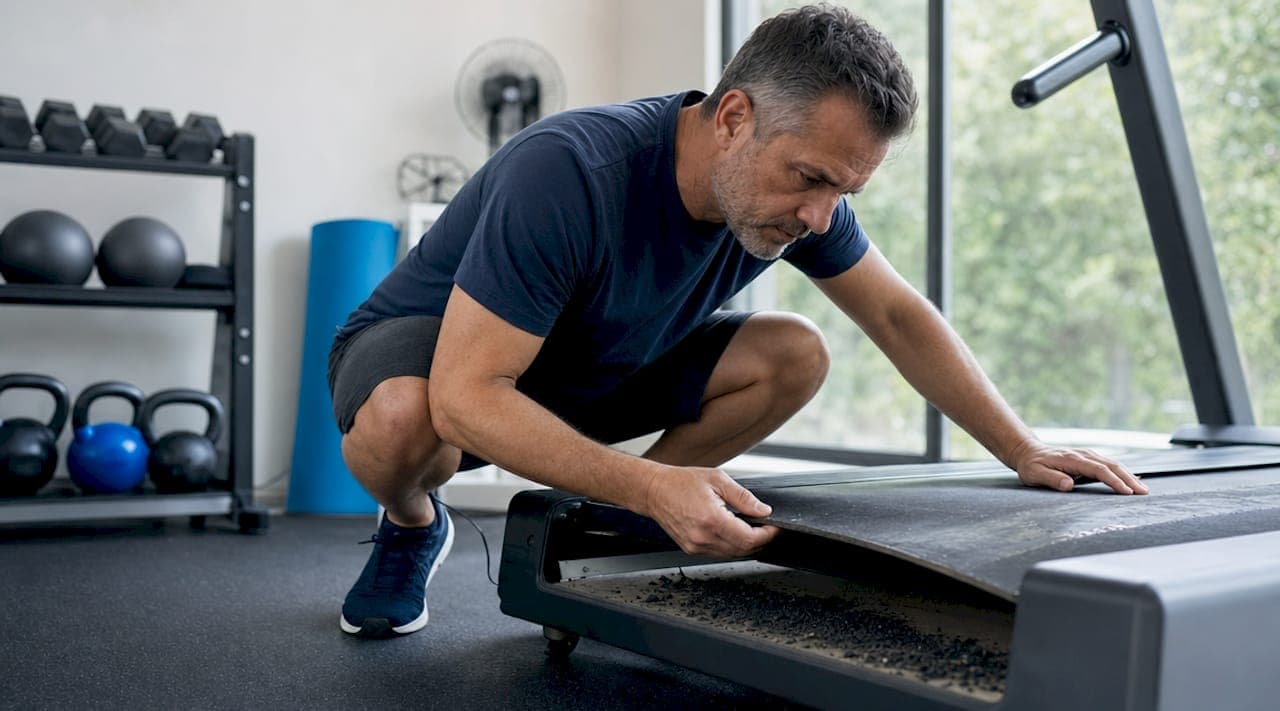
Treadmill running surface wear is defined as the progressive abrasion of the belt and deck caused by continuous friction between the two surfaces during every workout. The belt slides over the deck thousands of times per session, and without proper maintenance, both components degrade faster than most owners realize. The belt and deck are the two primary wear components on any treadmill, and tools like 100% silicone lubricant and correct belt tension adjustments are the front line of defense. Understanding what drives this wear, how to spot it early, and when to act is the difference between a treadmill that lasts a decade and one that fails in three years.
What causes treadmill running surface wear?
Friction between the belt and deck is the single root cause of treadmill surface wear. Every stride you take pushes the belt across the deck surface, creating heat and abrasion that slowly erodes both materials. The more you run, the faster this process compounds.
Several factors accelerate the rate of wear beyond normal use:
- Usage frequency and intensity. Running creates greater mechanical stress on the deck than walking because of higher impact forces and speed. A user who runs 45 minutes daily will see wear much faster than someone who walks 20 minutes three times a week.
- User weight. Heavier users press the belt harder into the deck with each stride, increasing friction and heat at the contact surface.
- Belt tension and alignment. Excessive belt tension increases friction, strains the motor, and accelerates wear. A belt that is too loose causes slippage and uneven erosion across the deck surface.
- Lack of lubrication. A dry belt-to-deck interface generates far more heat than a properly lubricated one. This is the most preventable cause of premature wear.
- Environmental conditions. Heat and humidity in South Texas garages and home gyms soften belt materials and promote moisture-related degradation over time.
Pro Tip: Never assume your treadmill came pre-lubricated from the factory and will stay that way. Most manufacturers apply a factory lubricant that depletes within the first few months of regular use.
How to identify signs of treadmill surface wear
Catching wear early saves you money. The signs show up on the belt, the deck, and in how the machine performs during a workout. Knowing what to look for turns a potential breakdown into a simple maintenance call.
Belt wear indicators
Visible cracking, fraying edges, and delamination are the clearest signs that a belt is past its service life. Cracks start small but widen into tears as the belt continues to flex under load. Frayed edges are not just cosmetic. They become tripping hazards and signal that the belt's internal layers are separating.
Run your hand along the underside of the belt. A smooth, slightly waxy feel is normal. A rough, dry, or powdery texture means the lubrication layer is gone and friction is doing real damage.
Deck wear indicators
Deck wear is subtler but just as serious. Look for discoloration, visible grooves, or rough patches in the center lane where your feet land most often. Splinters or raised fibers on a wood-core deck mean the surface coating has worn through entirely.
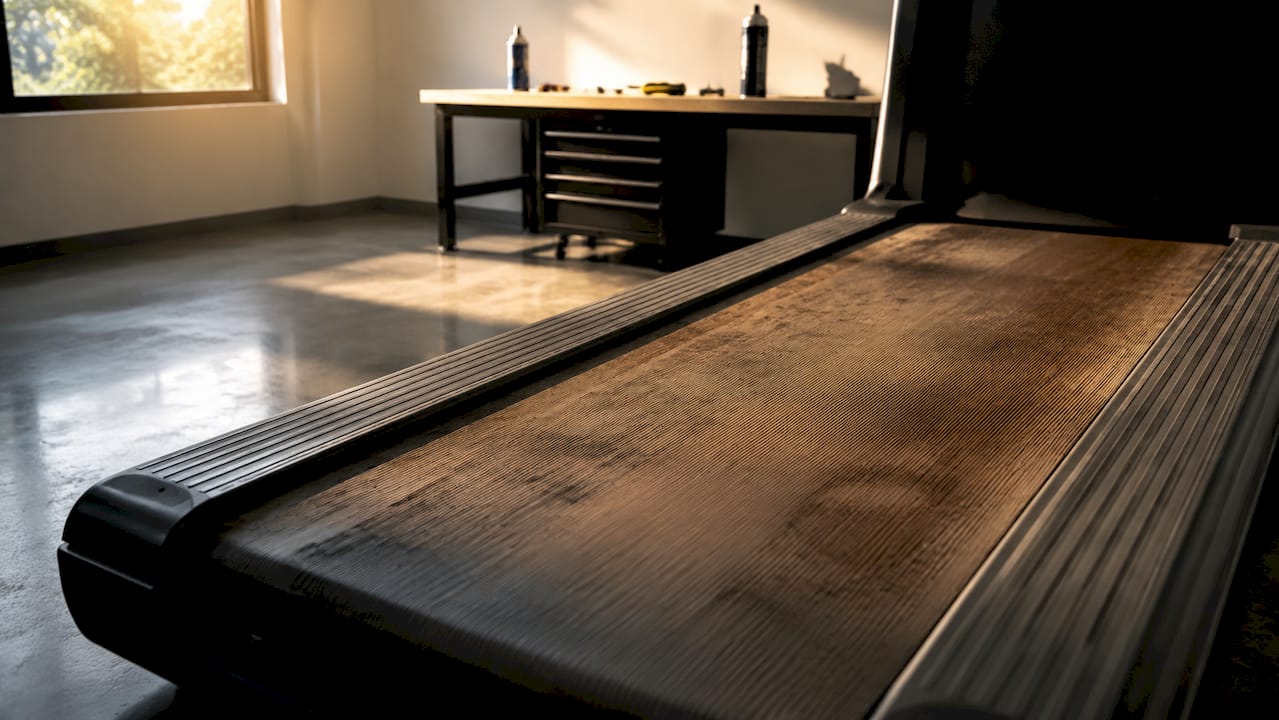
Differences between belt wear and deck wear can be diagnosed by whether problems persist after tension adjustment or lubrication. If the belt still slips or feels jerky after you lubricate and re-tension it, the deck surface is likely the problem.
Shavings and performance symptoms
| Symptom | What it means |
|---|---|
| Fine rubber shavings behind treadmill | Normal belt wear byproduct; monitor quantity |
| Large amounts or unusual shavings | Accelerated wear; service needed soon |
| Belt slipping under load | Worn deck surface or insufficient tension |
| Jerky belt movement | Lubrication depleted; friction too high |
| Grinding or squealing noise | Belt or deck surface significantly degraded |
| Motor running hot | Increased load from friction; lubricate immediately |
Small rubber or polymer shavings behind the treadmill after a session are a normal byproduct of belt wear. The problem is when the volume increases noticeably week over week. That escalation tells you the wear rate has accelerated and intervention is overdue.
Best practices to maintain and reduce treadmill surface wear
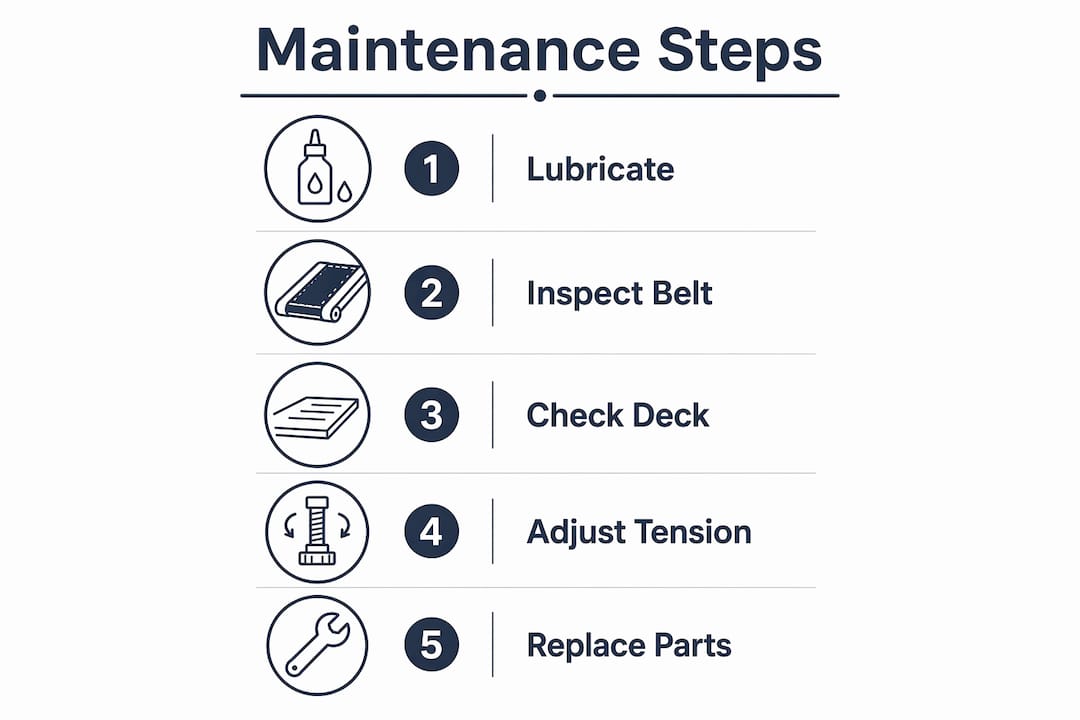
Consistent maintenance is what separates a treadmill that runs well for ten years from one that needs a major repair in year three. These steps are not complicated, but they require discipline.
- Lubricate on a schedule. Average users should lubricate every 4 to 6 weeks, with heavier users lubricating more frequently. Do not wait for symptoms like jerky movement or motor heat to appear. Those symptoms mean friction damage is already happening.
- Use only 100% silicone lubricant. Other lubricants attract dust and debris, which grind into the belt and deck surface. Petroleum-based products degrade belt materials from the inside out.
- Avoid over-lubrication. Over-lubrication attracts dirt and debris, causing slippage and accelerated degradation. Follow manufacturer guidelines on quantity. A thin, even coat under the center of the belt is all you need.
- Check belt tension and alignment monthly. A properly tensioned belt should lift about two to three inches off the deck at the midpoint. Misalignment causes uneven wear patterns that shorten both belt and deck life significantly.
- Clean the belt, deck, and motor compartment regularly. Dust and debris accumulation raises friction and heat around the motor, one of the leading causes of treadmill failure. Wipe down the belt surface after every session and vacuum the motor compartment monthly.
- Wear appropriate footwear. Dedicated treadmill running shoes with smooth soles reduce belt wear by minimizing abrasive friction compared to shoes with aggressive outdoor tread. This is a simple swap with a real impact on surface durability.
- Follow your manual's combined schedule. Manufacturer recommendations often combine time and use-based intervals to accommodate variable usage patterns. The Schwinn 830 manual, for example, specifies lubrication every 3 months or every 25 hours of use, whichever comes first.
Pro Tip: Set a phone reminder for your lubrication schedule the same day you buy your treadmill. Waiting until you notice a problem means the damage is already done.
When to repair, flip, or replace treadmill running surfaces
Not every worn surface requires a full replacement. Knowing which option fits your situation saves time and money.
| Condition | Recommended action |
|---|---|
| One-sided deck wear, belt still intact | Flip the deck; do not replace yet |
| Belt cracking, fraying, or delamination | Replace the belt; inspect deck first |
| Deck worn on both sides, belt worn | Replace both belt and deck together |
| Symptoms persist after lubrication and tension fix | Professional diagnosis needed |
| Motor damage from prolonged friction | Professional repair required |
Many treadmill decks are reversible, meaning you can flip them to expose a fresh surface when one side wears down. This single step can double the usable life of a deck without any parts cost. The Schwinn 830 manual explicitly recommends this procedure, noting it should be performed by a qualified technician to avoid improper reassembly.
Belt replacement is the right call when you see cracking, fraying, or delamination that does not resolve with tension adjustment. A worn belt that continues running will damage the deck surface underneath, turning a $80 belt replacement into a $200 to $300 deck replacement. Catching it early matters.
When symptoms like belt slipping or jerky movement persist despite adjustments and lubrication, the deck surface is the likely culprit. At that point, professional diagnosis is the right move. A technician can confirm whether flipping, resurfacing, or full replacement is needed, and can spot secondary damage to the motor or rollers that a visual inspection misses.
Neglecting worn surfaces does not just mean a rougher workout. It means the motor works harder against increased friction, heat builds up in the drive system, and what started as a $100 maintenance job becomes a $500 repair. The treadmill wear and tear guide principle is simple: small problems fixed early cost a fraction of the same problems fixed late.
Key takeaways
Treadmill surface wear is caused by belt-to-deck friction and is prevented through regular silicone lubrication, correct belt tension, and timely belt or deck replacement before secondary damage occurs.
| Point | Details |
|---|---|
| Friction drives all wear | Every workout abrades the belt and deck; lubrication is the primary defense. |
| Spot wear early | Cracks, fraying, shavings, and jerky movement are the key warning signs to watch. |
| Lubricate on a schedule | Lubricate every 4 to 6 weeks for average use; heavier users need more frequent intervals. |
| Flip before you replace | Many decks are reversible, doubling their lifespan at zero parts cost. |
| Act before symptoms worsen | Worn belts damage decks; worn decks damage motors. Each delay multiplies repair cost. |
What I've learned from years of treadmill surface wear calls
The most common mistake I see is owners treating lubrication as a fix rather than a prevention. By the time someone calls because their belt is slipping or making noise, the deck surface has already been scored. They needed lubrication six weeks earlier, not the day the problem became obvious.
The second mistake is buying a light-duty treadmill for heavy daily use. A machine rated for 30 minutes of walking per day will show serious signs of treadmill wear within a year if you run on it for an hour every morning. No amount of maintenance fully compensates for a machine that is undersized for its workload.
I also see a lot of over-lubrication damage, which surprises people. They assume more lubricant means more protection. What it actually means is a sticky surface that collects every dust particle in the room, which then grinds into the belt and deck like sandpaper. The right amount of silicone lubricant, applied correctly, is a thin film. That is it.
My honest advice: inspect your belt and deck every month, stick to a lubrication schedule tied to both calendar time and usage hours, and do not ignore the early warning signs that something is off. A five-minute monthly check prevents the kind of cumulative wear that turns a treadmill into a parts donor.
— Steve
Get your treadmill surface wear diagnosed by a pro
If you have worked through the maintenance steps and your belt is still slipping, your deck still feels rough, or your motor is running hotter than it should, the problem is likely beyond a DIY fix.

Texastreadmillrepair sends certified technicians directly to your home or gym in South Texas, with same-week appointments and flat-rate pricing so you know the cost before any work begins. Every repair comes with a 90-day warranty on parts and labor. Whether you need a belt replacement, a deck flip, or a full surface assessment, the team at Texastreadmillrepair handles it without you moving the machine anywhere. Check out the full range of treadmill repair services and book a visit before minor wear becomes a major repair bill.
FAQ
What is treadmill running surface wear?
Treadmill running surface wear is the gradual abrasion of the belt and deck caused by friction during use. Both components degrade over time, with wear accelerating when lubrication is insufficient or belt tension is incorrect.
How often should I lubricate my treadmill belt?
Most users should lubricate every 4 to 6 weeks, but heavier users may need to lubricate more frequently. Manuals like the Schwinn 830 recommend lubricating every 3 months or every 25 hours of use, whichever comes first.
What do treadmill shavings behind the machine mean?
A small amount of fine rubber or polymer shavings after each session is normal. Increasing quantities or unusual materials signal accelerated wear and indicate that service is needed soon.
Can I flip my treadmill deck instead of replacing it?
Yes. Many treadmill decks are reversible and can be flipped to expose a fresh surface, effectively doubling the deck's lifespan. This should be done by a qualified technician to avoid improper reassembly.
When should I replace my treadmill belt?
Replace the belt when you see visible cracking, fraying edges, or delamination, or when slipping and jerky movement persist after lubrication and tension adjustment. Continuing to run on a worn belt will damage the deck underneath.